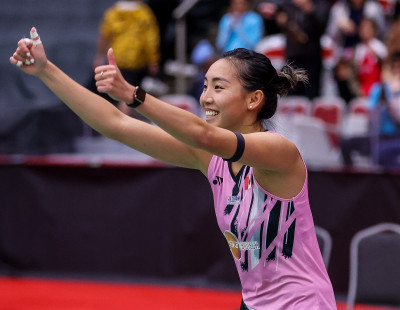


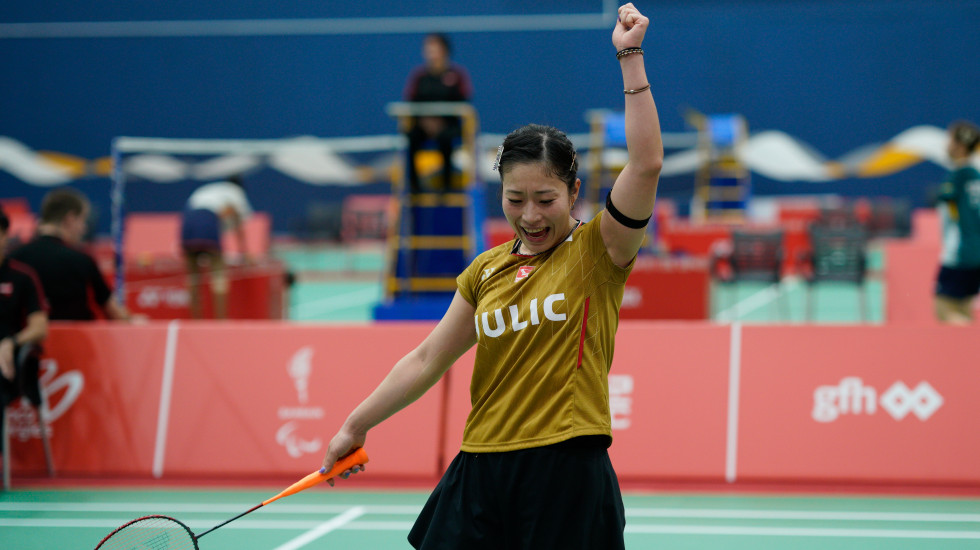
When a new name storms to the top in just a year, it’s tempting to call it a breakthrough. In the case of Shino Kawai, it feels more like a beautifully timed detonation.
Last Saturday at BAHRAIN BWF Para Badminton World Championships 2026, the 33-year-old Japanese SL3 player did not simply win her first world title – she tore through the hierarchy of her class, defeating the silver, gold and bronze medallists from the Paris 2024 Paralympic Games.
For an athlete who has been on the international circuit for less than a year, it was a statement that bordered on audacious.
“I’ve only been in the national team for a short time,” she said, still processing the magnitude of her achievement. “But I’ve been working towards the World Championships and becoming No.1. I’m glad I was able to win the title. This is the path I have to take to become gold medallist at LA28.”
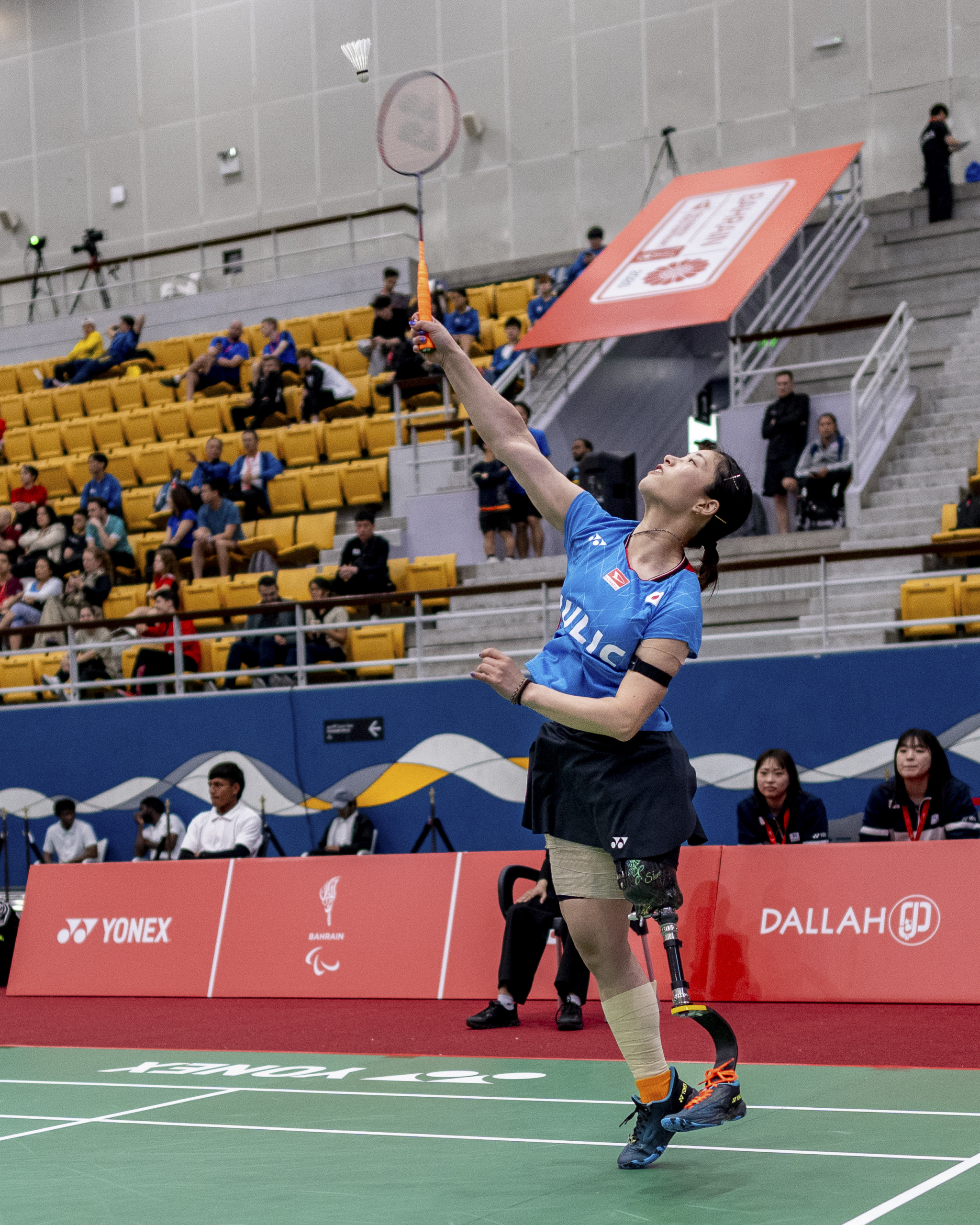
Poise of a seasoned shuttler.
Playing with a prosthetic leg, Kawai describes it as “physically the worst condition” compared to opponents with two functioning legs. There are rallies she admits she simply cannot win through speed or reach, so she wins them in her head.
In Manama, she faced opponents she had never encountered. There was no data bank, no pattern recognition to draw upon.
“At first, I didn’t know how to deal with their tactics, I struggled,” she admitted.
But she responded with the composure of someone who has already lived several sporting lives.
Long before Para badminton, Kawai was simply a badminton player – and an outstanding one. Then came surgery for a hip injury. Complications followed and paralysis set in her left leg. Burns, fractures, necrosis and sensory loss ultimately led to amputation.
For six years, she represented Japan in another Paralympic sport: wheelchair fencing. She learned to compete again and rebuild her identity in a new arena but the pull of the shuttle never faded.
“I wanted to go back to badminton one more time,” she said.
About a year and a half ago, she did and the results were immediate – two titles in her debut season and now a world crown at the first attempt.
“Of course, I want the gold in LA,” she said. “But I also want to win all the titles – including the Asian Para Games – and become the most beautiful badminton player in the world.”
In Kawai’s vision, beauty is not merely aesthetic. It is tactical intelligence overcoming physical limitation and gratitude – for her coach, company and the network that steadied her when her body would not. “I’m standing here today thanks to so many people,” she said.
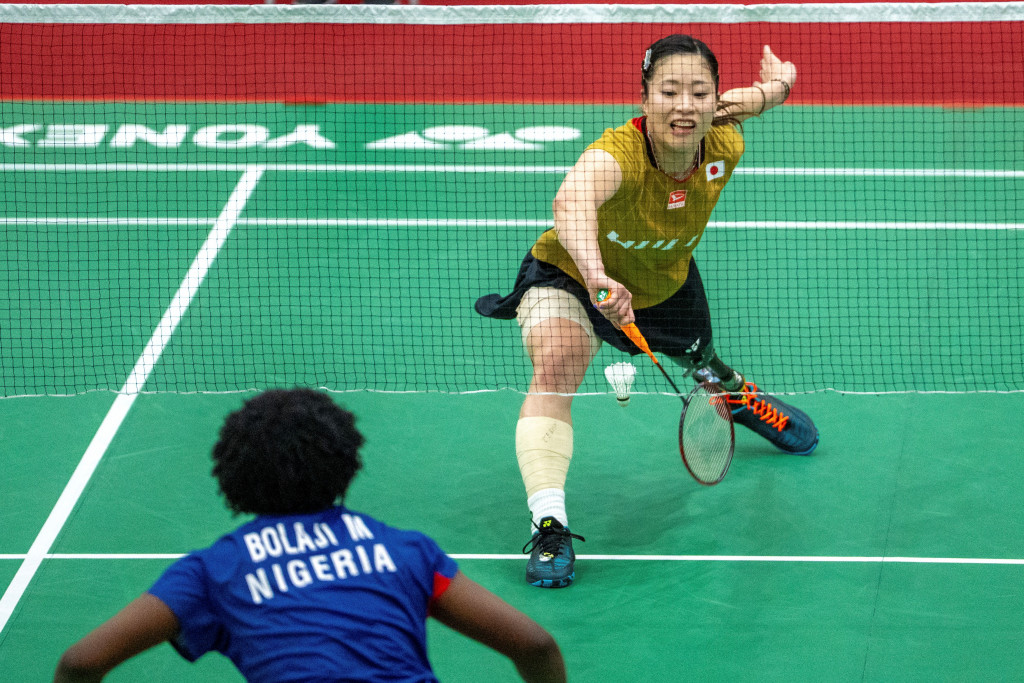
In the final against Mariam Eniola Bolaji.
There is a poetic symmetry in her journey too. As a teenager, she shared courts and an era with players like Misaki Matsutomo, part of a golden generation of Japanese badminton. Now, after detours through trauma and reinvention, her future feels certain again but entirely on her own terms.
In Manama, Kawai did more than claim a title – she announced the balance of power in SL3 has shifted. The established podium has been dismantled; the path to Los Angeles runs through her.
A year ago, she was a newcomer. Today, she’s the world champion.
And she is only just beginning.
 BWF Newsletter