

Keep the stats aside for a moment.
Not that they don’t matter, but some things are beyond the range of numbers.
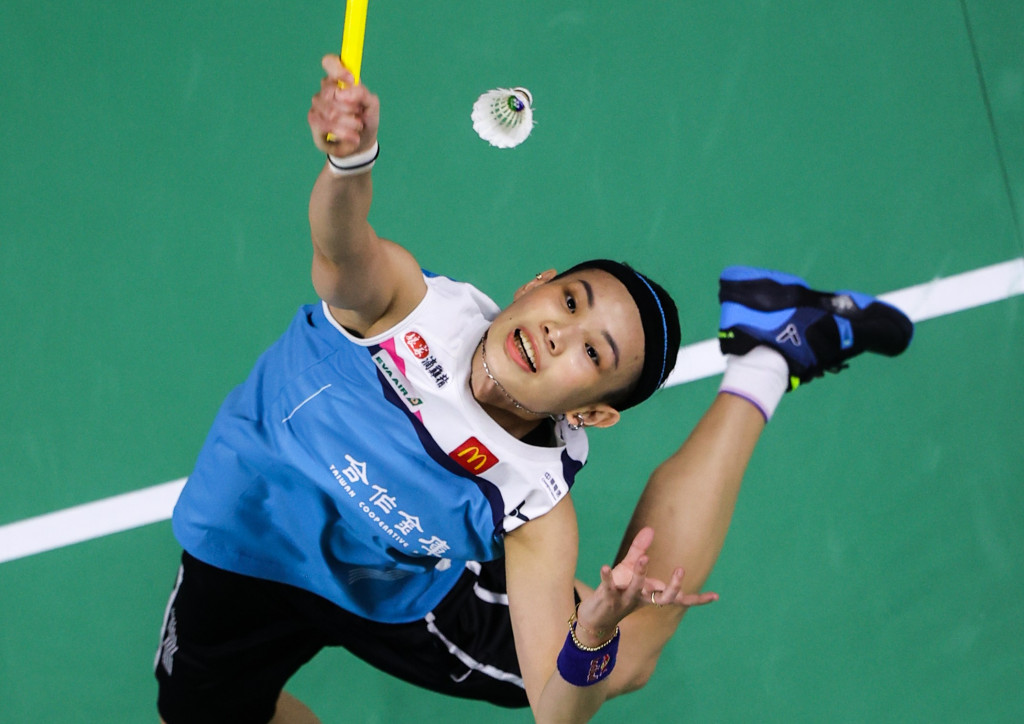
Instead, take a look at this picture below, by Yves Lacroix. It is classical Tai Tzu Ying.
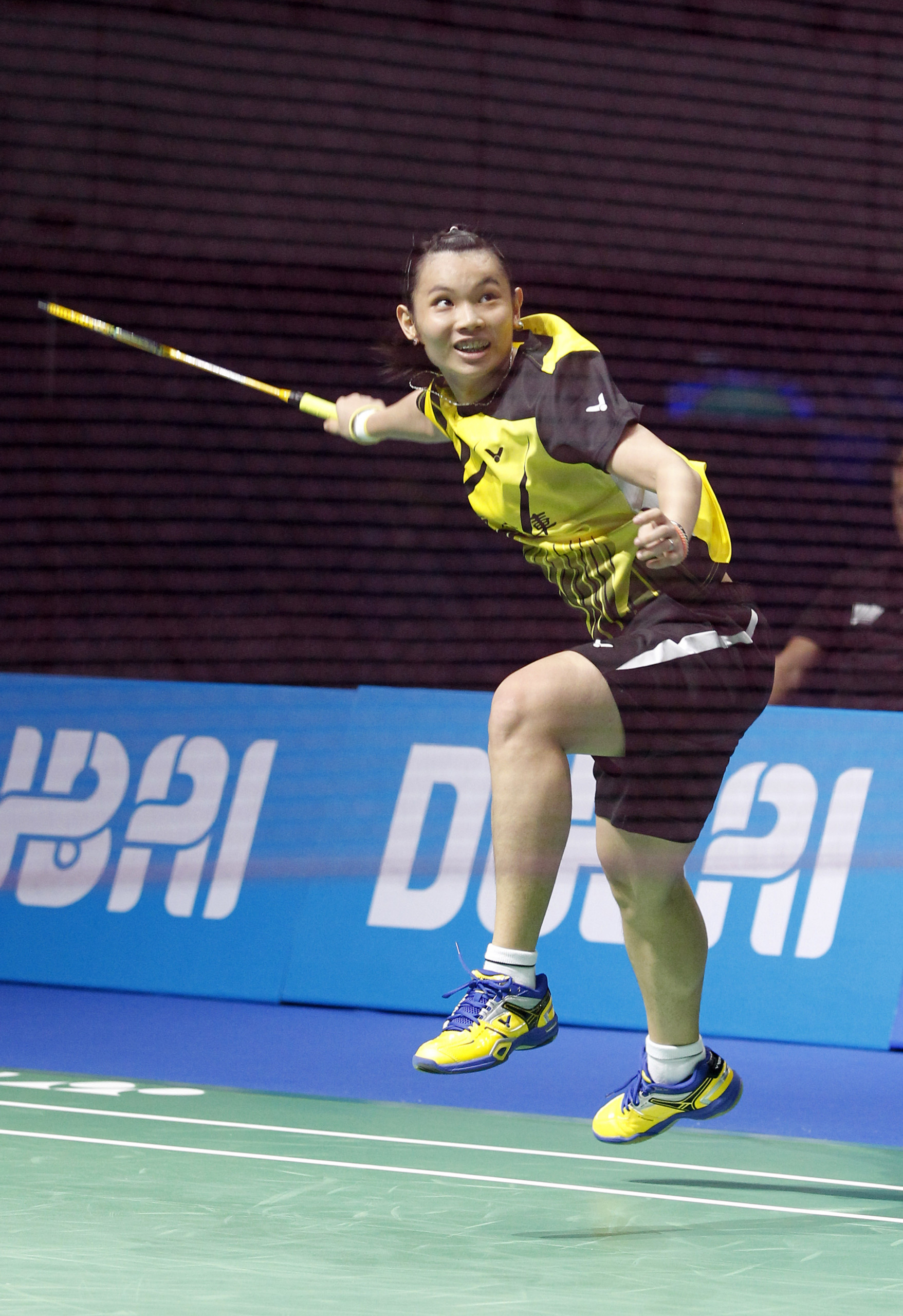
Pass your eyes over it and the exceptional qualities of the central character come alive. This is a freeze frame of sport as pure enjoyment. There’s sparkle in the eyes, an impish smile on the lips, the body caught mid-pirouette as if in a dance. Professional sport isn’t supposed to be like this – at least not in the heat of battle. The dominating modern image is that of the unsmiling, unyielding athlete as they push through barriers of mind and body. The images of the very best players in play are of furrowed brows, laser-focused eyes; anything else is distraction from the business of winning.
If there was one thing Tai Tzu Ying gifted badminton, it is that essential but forgotten element of sport – playfulness.
Of course it was her abundant talent that enabled her to be playful against the very best in the world. The wrist could do what the mind conjured – and what we saw, in match after match over some 15 years, was the fertile imagination of that mind – the teasing around with space and time through split-second delays and soft caresses, invention of mad angles and new trajectories where only straight lines seemed possible.
There are, of course, other technically gifted players – like Ratchanok Intanon, who is badminton copybook in motion. But there is one difference. With Tai, it wasn’t just the surreal quality of her shots or her orchestration of the play, it was that she was mischievous. Winning the point was almost a side-effect; making the opponent chase shadows was the main objective.
She did evolve. Midway through her career she started to devote more effort towards getting stronger, and the results were a sharper, harder smash, and better overall consistency as she could last in tough physical battles. Yet, despite the greater physicality, her game was about being playful.
Most gifted players tone down their variety in the search for high percentages. Tai refused to go down that route; it was a facet she wouldn’t dilute.
Given that, during the course of her career, she’d win silver at the Olympics and the World Championships, Asian Games gold, three Asian Championships and numerous World Tour/Superseries titles, it was nothing short of extraordinary that she’d be among the most successful players of her generation despite an approach that was driven by instinct more than anything else.
Inevitably, there were some quirks, one of which was a reluctance to prepare by watching videos – either her own or her opponents’. As she said it, she knew her game and her opponent’s abilities. If she executed what she was capable of, she didn’t see her opponents beating her.
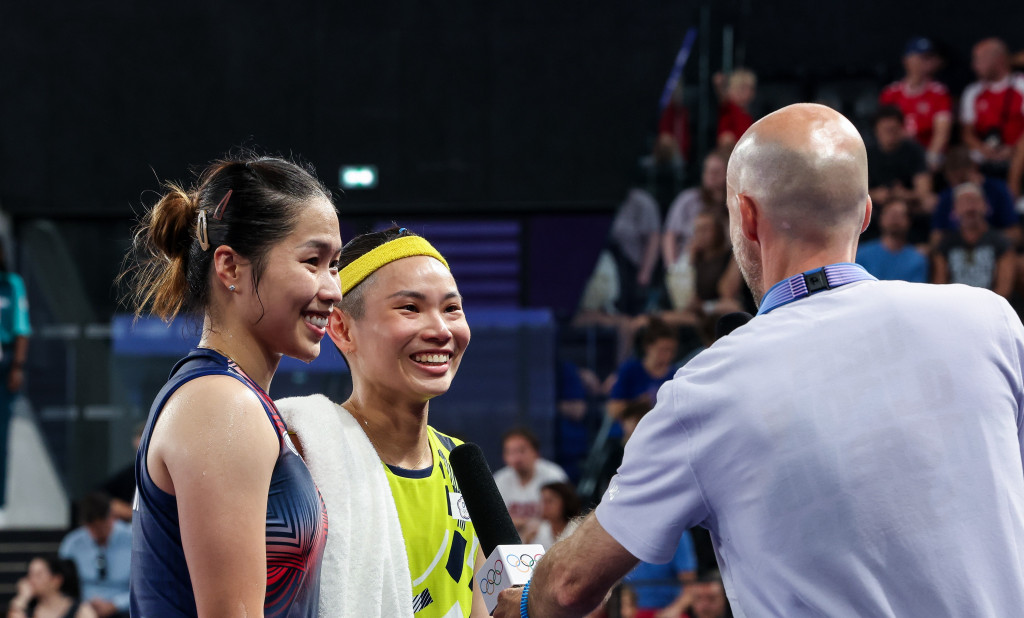
Another quirk was her ability to quickly move forward, without dwelling even on the immediate past. At the World Championships in 2015, she was six match points up against Lindaweni Fanetri in the quarterfinals – a win would have meant a first medal at a Major Championships. She blew all six, and the match; any other player would have been crushed, but she was still smiling at the end. Incredibly, she would have to wait six more years before winning her first Major Championships medals – silver at the Tokyo Olympics followed by the World Championships.
But all questions on what might have been were quite irrelevant to her – she simply smiled when reminded of the near-misses of her career.
As she walks off into the sunset, the badminton world can reflect on a legacy enriched by her artistry, unfailing politeness, and a smile through all of her career’s ups and downs.
 BWF Newsletter