

While World Health Day often sparks conversations about medication, diet and doctor visits, a quieter health movement is unfolding in community halls and care homes.
Shuttle Time Seniors, an initiative by BWF, is using badminton to help older adults stay active, rebuild confidence and combat loneliness.
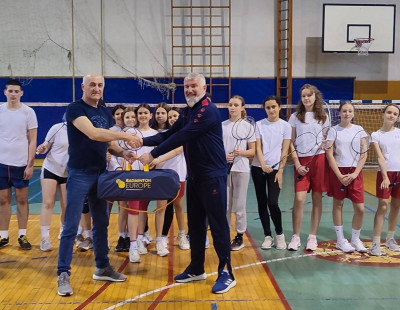
Originally launched in 2012 to give schoolchildren access to badminton through structured coaching resources and teacher training, Shuttle Time, celebrating its 15th year, has now reached almost 4.7 million young people in more than 162 countries. But the team behind it eventually asked a reasonable question: why should it stop at childhood? The result was Shuttle Time Seniors, an adaptation of the programme aimed at older adults.
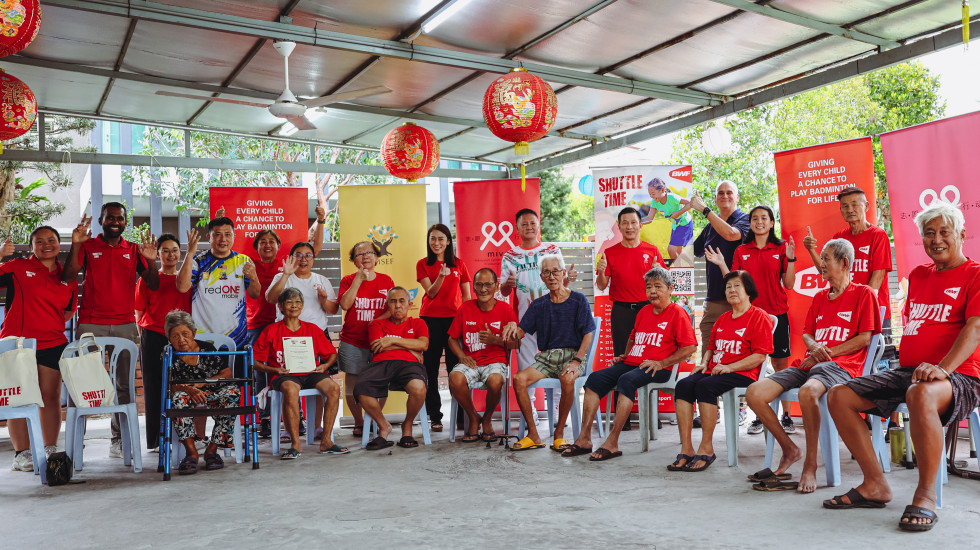
One of the most telling early examples came from Malaysia, where the initiative was introduced at a care home in Kuala Lumpur. Badminton is woven into everyday Malaysian life, making it a natural fit for engaging residents who might otherwise have little interest in organised sport. The launch demonstrated that the game can be reintroduced safely and enjoyably, even for people with limited mobility, provided the focus stays firmly on simple movement and fun rather than competition.
Sessions are deliberately flexible and inclusive, on smaller courts, with options to sit or stand. One of badminton’s key advantages is hitting a shuttle well relies more on timing and coordination than raw strength, which means people can engage at their own pace. For many older adults, that removes the fear of injury or embarrassment.
Early results have been encouraging. Participants report feeling steadier on their feet and more willing to move independently. But it’s arguably the social dimension that makes the biggest difference. Regular sessions provide structure and offer a genuine reason to connect with others – something that matters enormously, given the serious impact loneliness can have on physical and mental health.
Pilot programmes have also observed something powerful: small, repeated movements help rebuild a person’s trust in their body. Reaching for a shuttle, stepping to one side, turning to return a shot in a supportive setting gradually improve balance and coordination. Many participants are just as enthusiastic about the chat and the company as they are about the badminton itself.
Typical sessions weave together light play with balance work, coordination exercises and gentle cognitive challenges.
Shuttle Time Seniors is designed for older adults but the reasons it works says something broader about badminton as a sport. It engages the whole body through controlled flowing movement and raises the heart rate in short bursts without punishing the joints. With indoor courts and lightweight shuttle, it remains accessible to people across a wide range of abilities.
Ultimately, Shuttle Time Seniors shows that meaningful physical activity needn’t be complicated, expensive or intimidating. With a sensible approach, it can be introduced at almost any age, in almost any setting.
So go on, pick up a racket.
Shuttle Time Seniors Takes Off
Badminton Brings A Fresh Spark to Care Home Seniors
 BWF Newsletter