

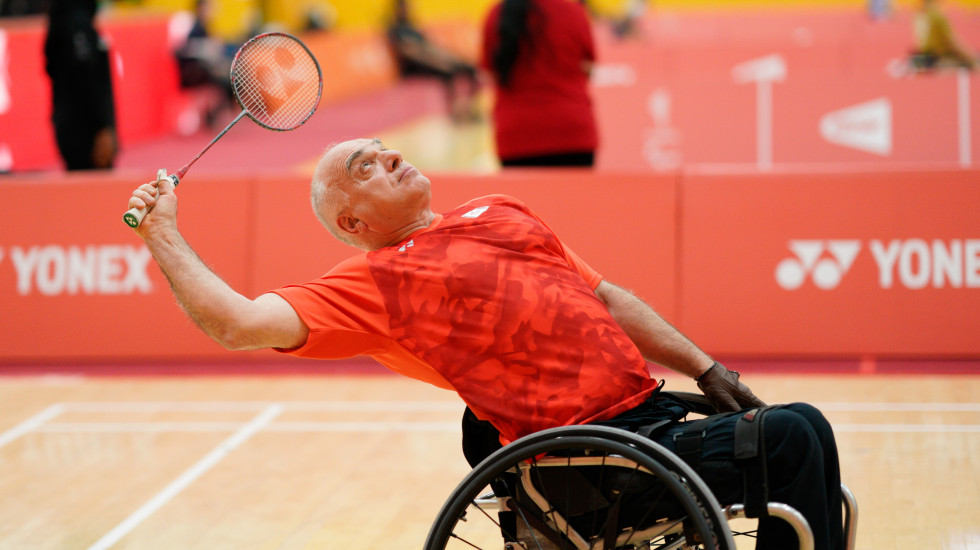
At 64, Mikhail Bilenki has learned a thing or two about pacing himself.
On Monday at BAHRAIN BWF Para Badminton World Championships 2026, the Canadian WH1 shuttler played two singles matches in a day – losing in the morning to top seed Muhammad Ikhwan Ramli, then returning in the afternoon to outlast Australia’s Martyn Ford 21-19 14-21 21-18.
The win ensured Bilenki, the oldest player at this edition, continued a quietly remarkable streak: at least one victory at each of the last three World Championships he has contested.
By the end of it, he was tired – but smiling.
“I played a little better than yesterday,” Bilenki said, sounding more analytical than celebratory.
He was satisfied, even if his unforced error count still felt a touch too high. But playing the very best, like Ramli earlier in the day, still carried a sense of privilege.
“You have nothing to lose,” he shrugged. “You are relaxed. That helps.”
There were moments, too, that felt like small personal victories. A particular cut drop shot he had been working on for months finally paid off – twice – against Ford. In big tournaments, Bilenki joked, those are the ones you forget you ever practiced. This time, at least one showed up right on cue.
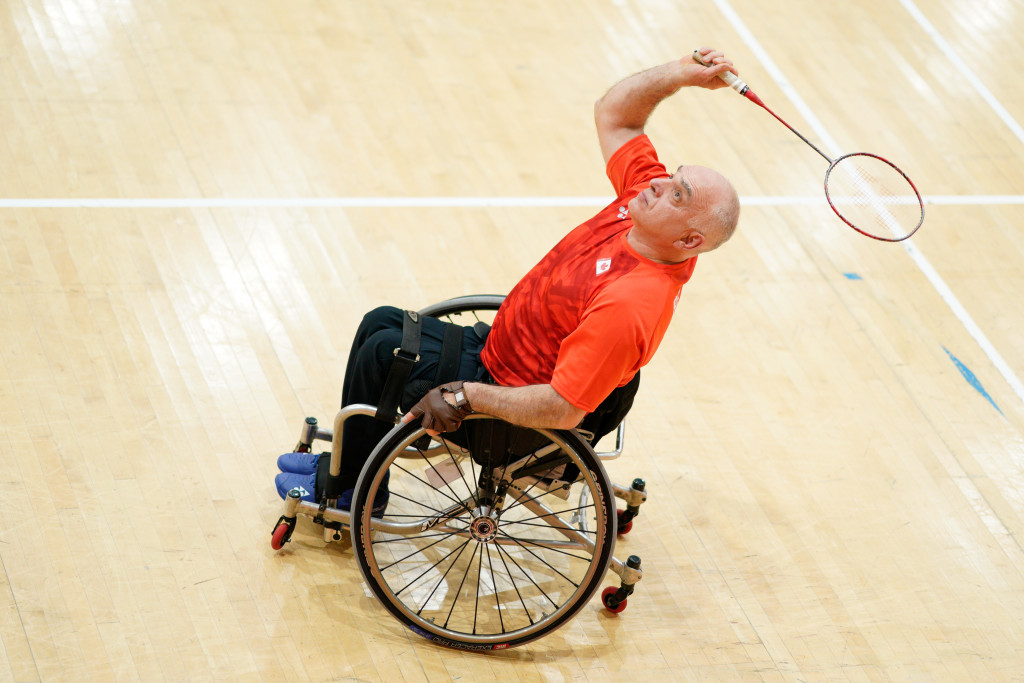
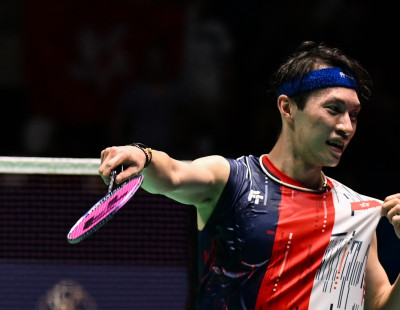
Bilenki attempting a shot against Ford.
Badminton came late to Bilenki’s life. A former tennis player, he only picked up a shuttle in 2017, in his mid-50s, after being introduced to the sport by a fellow wheelchair athlete. The speed hooked him. So did the structure of Para badminton, where classifications meant fairer competition. From there, the game became part escape, part education – an antidote to his demanding full-time job in bioinformatics research in Vancouver.
He trains three to four times a week, wheels everywhere he can and still believes there’s room to improve.
“I’m in not a very bad shape,” he said, deadpan.
Asked what keeps him coming back, Bilenki paused.
The answer, it turned out, was simple. He loves learning, he loves playing. And he loves that once again, he’s leaving a World Championships with a win.
“It’s a good feeling,” he said. “My mother will be happy. She always suffers when I lose. She’s my biggest cheerleader.”
This one, he decided, was for her.
→ Results and order of play (Day 2)
WHAT OTHERS SAID
“I want to get in there next and stand alongside big players like Daiki Kajiwara, Kim Jungjun and Sooyoung Yu. I’m not here to be satisfied – I want to fight hard. I came to win a medal and I want to stay until the final.” – Reo Oyama, who advanced unbeaten as WH2 men’s singles Group F winner at his maiden World Championships
“Matches against world-class players can be punishing for newcomers like me but I learned so much by seeing different techniques and styles. God willing, we can grow from this experience. It’s an honour to represent Bahrain at our debut World Championships.” – Rooba Alomari (WH1), one of two players representing the host nation
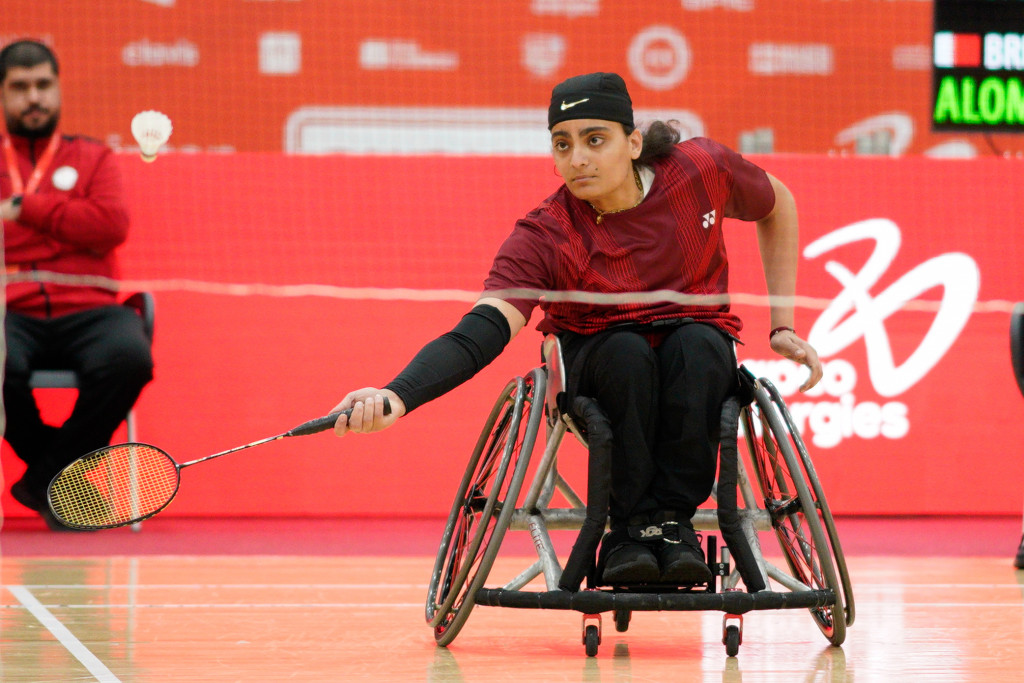
Alomari, originally a track and field athlete, lost 21-1 21-1 to world No.1 Sarina Satomi.
 BWF Newsletter