

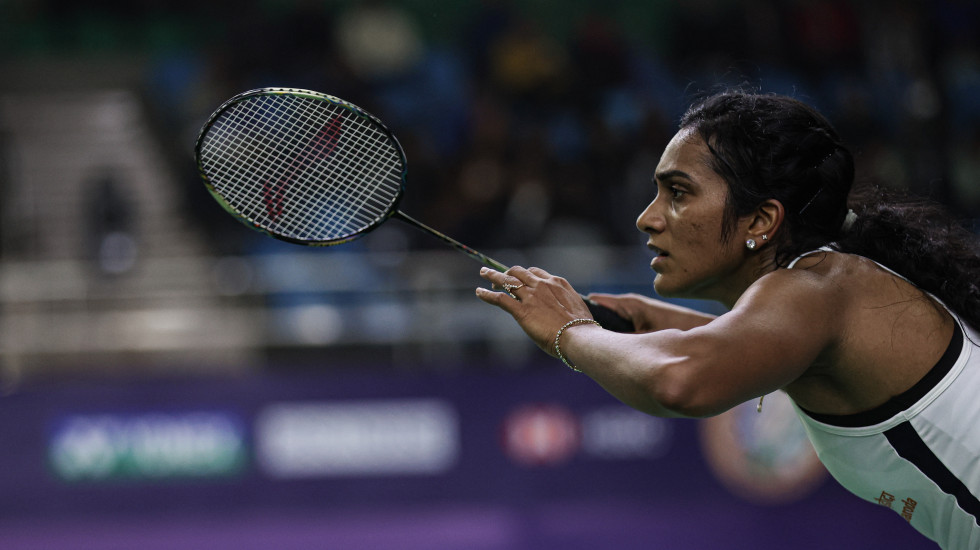
Pusarla V. Sindhu, a two-time Olympic medallist who redefined Indian badminton, is revered for paving the way for countless young girls to believe in themselves and their potential.
As a women, however, Pusarla acknowledges that it wasn’t without challenges.
“For the longest time, women weren’t encouraged to dream big,” she says. “My dad put me into badminton hoping I’d get a government job – winning a World Championships was just a happy bonus.”
Yet, through perseverance, she not only succeeded but led a revolution in Indian badminton. Carrying forward the momentum set by London 2012 Olympic bronze medallist Saina Nehwal, Pusarla is proud of how Indian women are now a notable presence in the sport.
While her defining moments on the world stage have been historic, winning silver at the 2016 Rio Olympics was a turning point.
“I wasn’t just playing for myself, I was carrying the hopes of millions,” she admits.
She later went on to win bronze at the 2020 Tokyo Olympics, solidifying her place as one of the sport’s greats. When she finally clinched gold at the 2019 World Championships on her fifth attempt, it was a victory of persistence.
“I stood on the podium four times before that – two bronze, two silver. But I never gave up.”
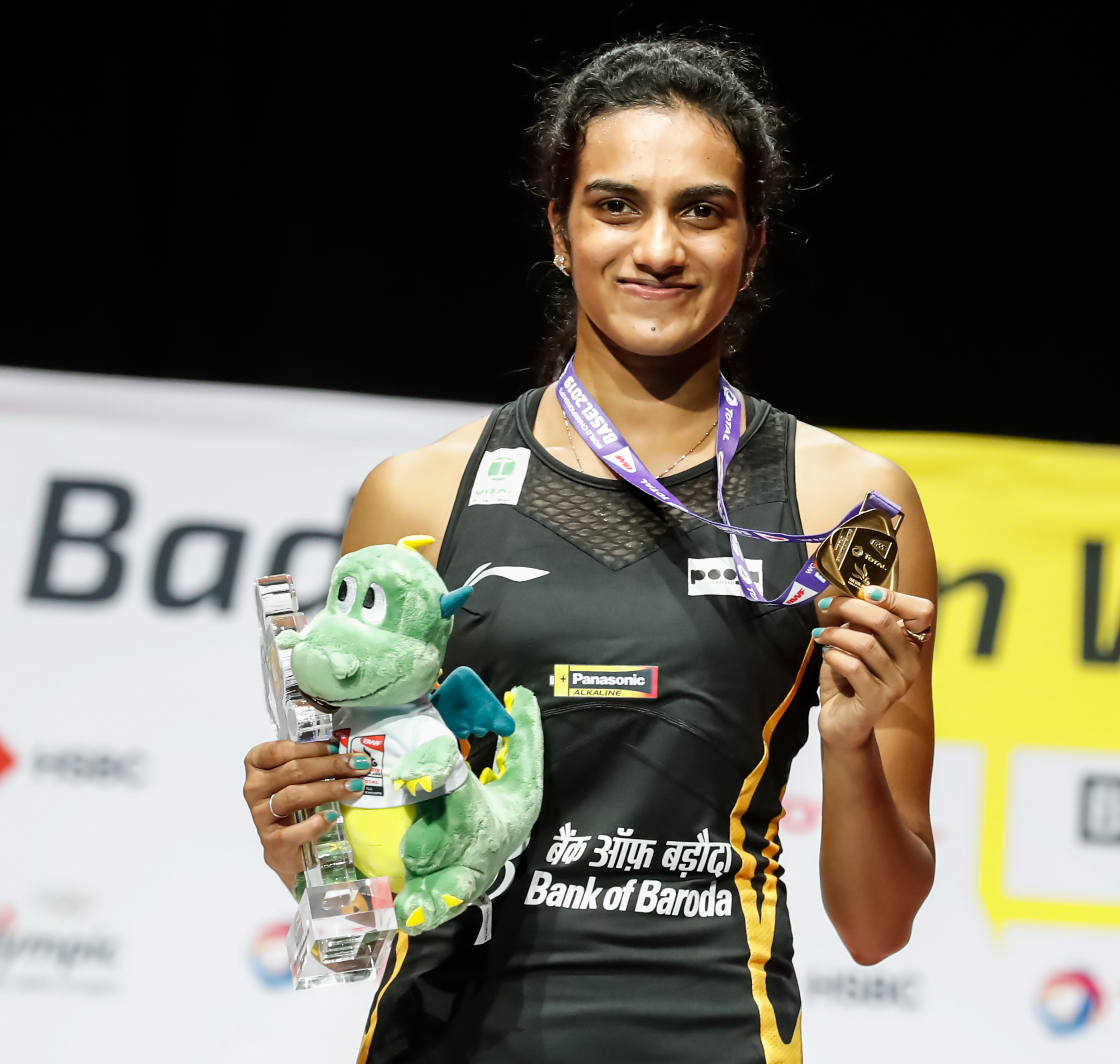
Pusarla the 2019 world champion.
Pusarla credits her strength to the women who inspired her – icons like Serena Williams and her close friend, Olympic champion Carolina Marín, whose resilience she admires. But her greatest heroine remains her mother.
“She balanced work, home and our dreams without ever showing the weight of her struggles. If I stand tall today, it’s because I watched her do it first.”
Now, as a role model herself, the 29-year-old encourages young girls to chase their passions without limits.
“Forget ‘boys’ and ‘girls’. Talent knows no gender, neither does greatness,” she says.
Having witnessed the evolution of women’s badminton in India, she is aware the road ahead requires work. Pusarla dreams of seeing three Indian women in the world’s top 10 but highlights the need for better infrastructure, coaching and support systems to accelerate change.
“The government’s support is unparalleled but we need to ensure talented players like Unnati Hooda and Tanvi Sharma get the set-ups they need to reach full potential.”
She also notes a powerful shift in the mindset of Indian families.
“When I started, few parents encouraged their daughters to pursue sports. Today, they are actively investing in their journeys. Back then, a tournament might see 75 entries. Now, there are thousands.”
The world champion remains deeply conscious of the inequalities women face in sports. While she personally felt supported by her coaches and peers, she acknowledges not every athlete is as fortunate.
“We need visibility at every level. Brands should trust women to lead their campaigns not as an exception but as the norm. And we athletes must give back, creating pathways for the next generation.”
Off court, she’s committed to empowering others. She’s leading the way by building an academy and launching the PV Sindhu Mentorship Programme to support promising female athletes.
“I want to give them what I didn’t have – a complete support system, from training to financial literacy. When women are empowered, they uplift entire communities.”
Ultimately, the Hyderabad native hopes her legacy transcends medals and championships.
“Being an athlete is a gift but I want to create real change. If my journey inspires even one girl to pick up a racket, or if my work helps just one athlete secure her future, then I’d have done something meaningful.”
International Women’s Day, celebrated annually on 8 March, is a global event that highlights the achievements of women and calls for greater gender equality. It serves as a reminder of the progress made and the work still needed to create a more inclusive world.
 BWF Newsletter